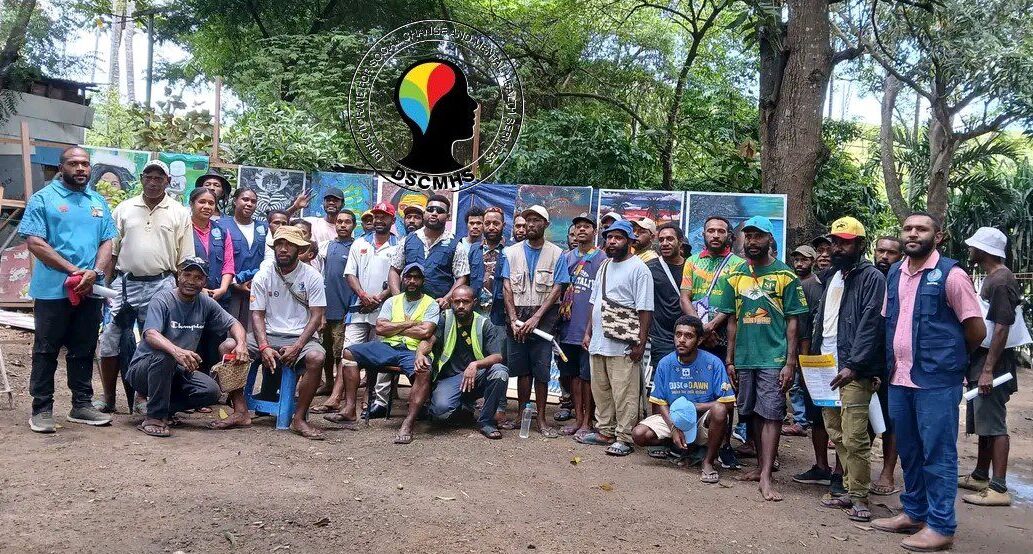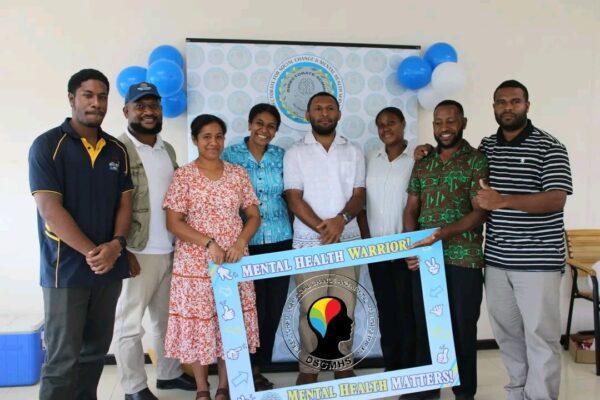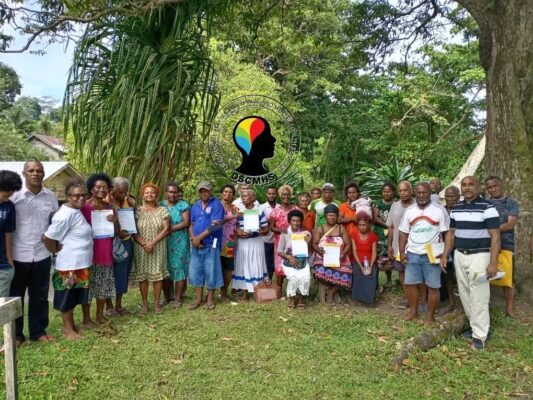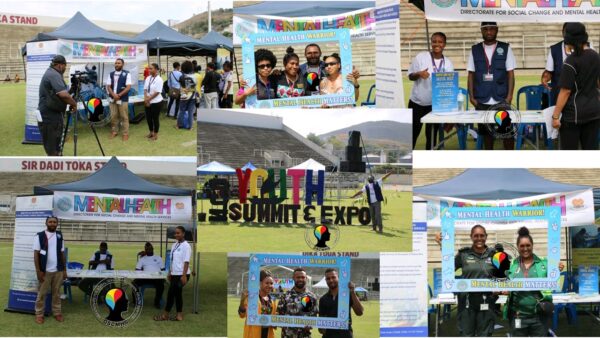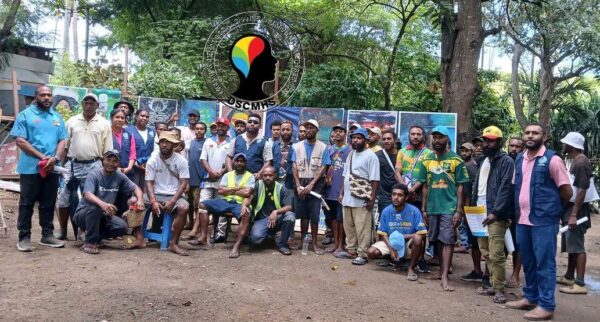
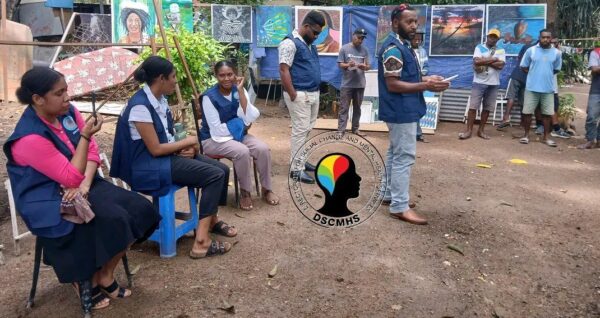
On 16 April 2025, a team of volunteers from the Directorate successfully launched its first ever community awareness program on Drug and Alcohol Abuse at Tokarara, National Capital District. The session was hosted by the GYGA Youth Association (GYGA) and attended by its members plus local residents. Volunteers educated participants on how substance abuse affects the mind, damages individual health, and harms the wider society. Following this successful launch, the Directorate’s volunteer team will expand the program to other settlements, churches, professional workplaces, and youth sports groups across NCD.
Core message: Drug and Alcohol Abuse is a major issue that affects the mind of individuals and the societies we live in.
1. Background
Drug and alcohol abuse remains one of the most pressing public health and social challenges in Papua New Guinea. The misuse of substances such as marijuana, homebrew, betel nut mixed with alcohol, and prescription drugs contributes to:
· Mental health disorders (depression, psychosis, anxiety)
· Family violence and child neglect
· Loss of workplace productivity
· Crime and community insecurity
The Directorate recognizes that prevention through awareness and early intervention is the most effective strategy. In response, a dedicated volunteer team was trained to deliver evidence‑based, culturally appropriate messages to high‑risk and high‑reach groups.
The GYGA Youth Association (Tokarara) – a grassroots organization focused on youth empowerment – formally invited the Directorate to speak to its members and the broader Tokarara community. This marked the pilot session of a much larger NCD‑wide campaign.
2. The Awareness Session: Tokarara (16 April 2025)
2.1 Venue and Participants
· Location: GYGA Youth Association hall, Tokarara settlement, NCD
· Time: 2:00 PM – 4:00 PM
· Volunteer team: 8 trained volunteers from the Directorate (supervised by one senior officer)
· Attendance: 47 participants (31 male, 16 female; age range 14–35 years)
· Groups represented: GYGA members, local youth not formally affiliated, a few parents and elders
2.2 Session Structure
Segment Duration Content
Opening & welcome 10 min Introduction of volunteers, purpose of the program, acknowledgment of GYGA
What is Drug and Alcohol Abuse? 20 min Definition, common substances in PNG (marijuana, homebrew, glue sniffing, prescription misuse), signs of abuse
Effects on the Mind 25 min How substances alter brain chemistry – memory loss, paranoia, poor judgment, risk of permanent psychosis
Effects on Society 25 min Family breakdown, violence, loss of community trust, economic costs
Prevention & Help‑Seeking 20 min Saying “no” to peer pressure, healthy alternatives (sports, church groups), where to get help (Directorate helpline, counseling)
Q&A and testimonials 20 min Open floor – participants shared personal experiences, volunteers answered questions
Closing & next steps 10 min Distribution of printed flyers, announcement of future sessions, group photo
2.3 Key Messages Delivered
· Drug and alcohol abuse is not a moral failure alone – it is a health issue that requires support, not just punishment.
· The brain continues developing until the mid‑20s; substance use in adolescence causes lasting damage.
· A single user affects an entire family and neighborhood – recovery benefits everyone.
· Help is available – the Directorate offers free and confidential counseling.
3. Outcomes and Immediate Impact
· Participant engagement: High – over 15 people asked questions or shared stories. Several youth approached volunteers privately afterward requesting counseling appointments.
· Commitment to change: In a show of hands, 42 of 47 participants agreed to reduce or avoid substance use in the next month, and 39 agreed to talk to one friend or family member about what they learned.
· GYGA leadership response: The president of GYGA stated: “This awareness should have come years ago. Our members now see that drugs are not just ‘a bad habit’ – they are destroying our minds. We want the Directorate back every quarter.”
· Referrals made: 4 participants were directly referred to the Directorate’s substance abuse counseling program (follow‑up scheduled).
4. Future Rollout: NCD‑Wide Expansion
The Tokarara session is only the beginning. The volunteer team has confirmed a quarterly schedule for the remainder of 2025 across four target environments:
Target Setting Planned Locations / Partners Start Date
Other settlements Morata, Kaugere, Gerehu Stage 6, Waigani May – June 2025
Churches Catholic parishes, United Church, Pentecostal fellowships (youth groups) July – August 2025
Professional working environments Business houses, government offices, NGOs (lunch‑hour sessions) September – October 2025
Youths in sports Rugby league clubs, soccer associations, netball teams within NCD November – December 2025
The Directorate is actively seeking partnerships with settlement leaders, pastors, HR managers, and sports coordinators to schedule these sessions.
5. Recommendations
Based on the success of the Tokarara pilot, the Directorate recommends:
1. Peer educator training – Recruit and train young people from each settlement to reinforce the message between Directorate visits.
2. Printed materials – Develop simple, illustrated booklets in Tok Pisin and English on drug and alcohol harms.
3. Referral hotline promotion – Dedicate a specific phone number for substance abuse help, widely advertised during sessions.
4. Sports‑based engagement – Partner with local rugby or soccer clubs to deliver 15‑minute “halftime talks” on substance abuse.
5. Monitoring and evaluation – Use pre‑ and post‑session quizzes to measure knowledge gain (implemented from the next session onward).
6. Conclusion
The Directorate’s first awareness program on Drug and Alcohol Abuse at Tokarara, delivered by its dedicated volunteer team, was a resounding success. The invitation from GYGA Youth Association proved timely, reaching nearly 50 young people and community members with life‑changing information. Substance abuse damages the mind and society, but awareness, support, and community action can reverse the trend.
With the program now expanding to settlements, churches, workplaces, and sports fields across NCD, the Directorate reaffirms its commitment: “Prevention starts with conversation. Every young person who understands the danger of drugs is a victory for the whole community.”