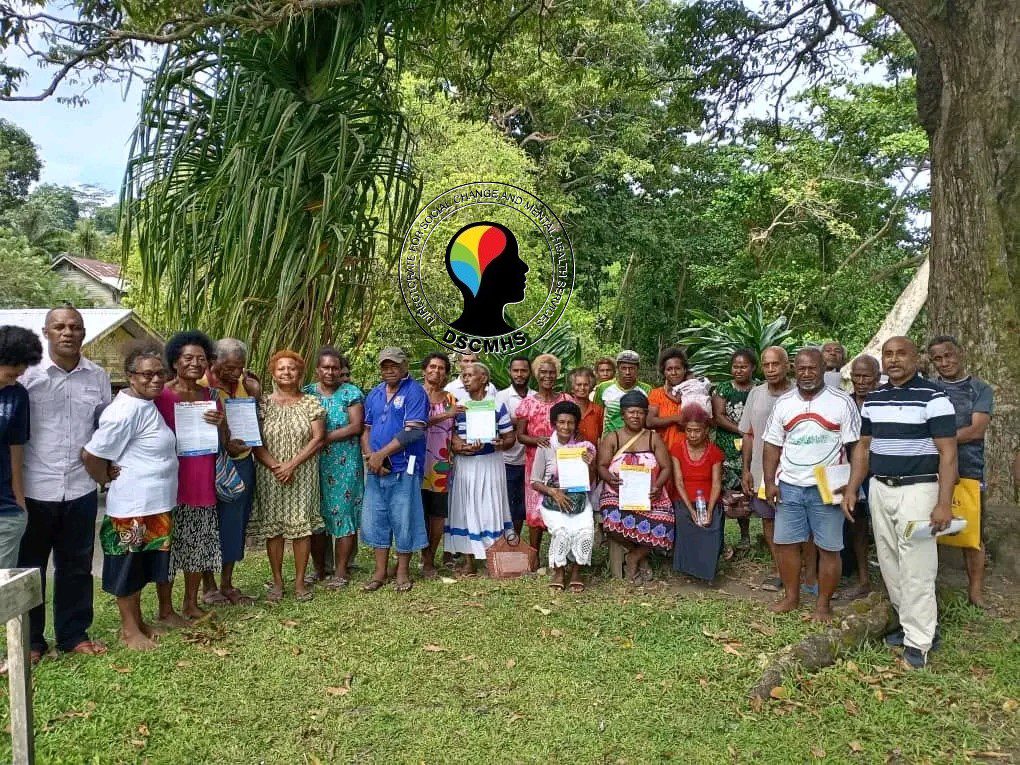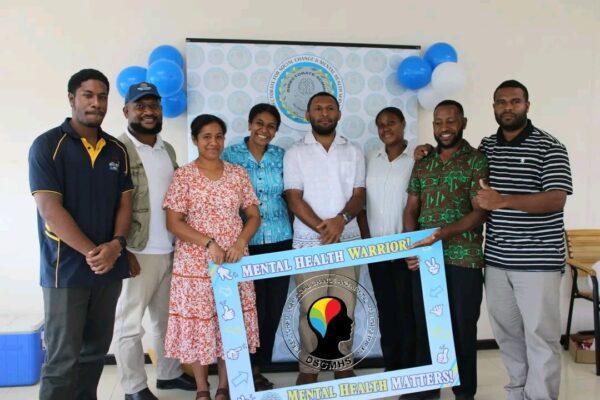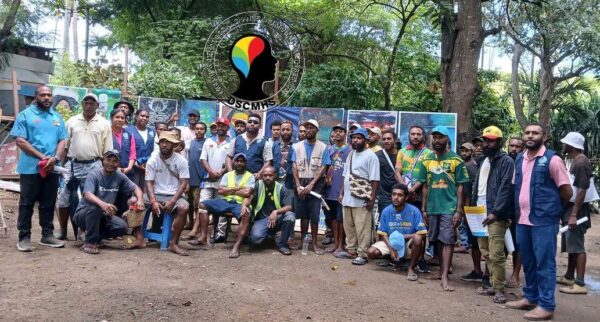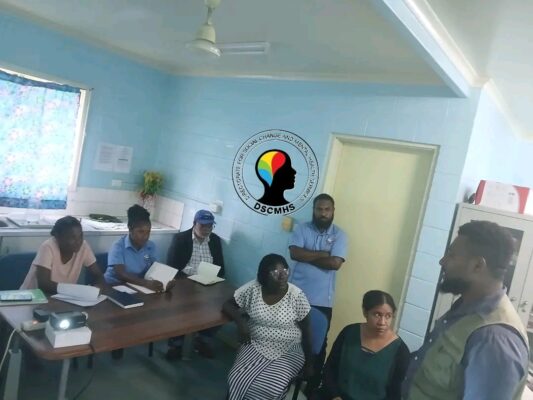
Earlier this year, a multidisciplinary team from the Directorate traveled to Manus Province to deliver an intensive 8‑day community awareness program. The team covered the geographic corridor from Lorengau town through to the Balopa LLG (Baluan, Lou, and Pam islands). The program addressed two interconnected goals:
1. Reducing drug and alcohol abuse by educating communities on its physical, mental, and social harms.
2. Promoting mental wellbeing through practical skills in stress management, anger control, relaxation, and disaster coping.
In addition to community sessions, the team met with the acting Chief Executive Officer (a/CEO) of the Manus Provincial Health Authority (PHA) to initiate a formal working agreement. The 8‑day outreach reached over 500 direct participants and established a foundation for ongoing mental health services in the province.
Core message: A healthy mind enables individuals to contribute positively to their communities.
1. Background
Manus Province, despite its relative isolation, faces significant challenges related to substance abuse and mental health. Access to specialized services is limited, and stigma often prevents people from seeking help. Reports from local health workers indicated rising cases of:
· Domestic violence linked to alcohol and marijuana use
· Youth delinquency and school dropouts
· Post‑disaster psychological distress (Manus is prone to earthquakes and sea surges)
· Stress and anger mismanagement in both urban (Lorengau) and remote (Balopa LLG) settings
The Directorate identified Manus as a priority for preventive outreach. The program was designed not as a one‑off lecture but as a participatory, skills‑based intervention tailored to coastal and island communities.
2. Program Overview
2.1 Duration and Geography
· Total days: 8 consecutive days
· Route: Lorengau town (days 1–3) → Balopa LLG (days 4–8). Balopa includes Baluan Island, Lou Island, and Pam Island.
· Transport: Road travel within Lorengau; outboard motorboats to reach the LLG islands.
2.2 Target Audience
· Community members (men, women, youth)
· Village leaders, church pastors, and schoolteachers
· Local health volunteers and village health aides
· Youth groups and sports associations
2.3 Directorate Team Composition
· 1 senior mental health officer (team lead)· 2 mental health volunteers
· 1 community liaison officer
· 1 nurse with mental health training
3. Topics Covered and Delivery Methods
The team delivered five core topics through a mix of storytelling, group discussions, role‑play, and practical demonstrations. Each session lasted 1.5–2 hours, adapted to local language (Tok Pisin and local Manus dialects where possible).
Topic Key Content Interactive Element
Stress Management Identifying stressors (family, work, finances, environment); simple coping strategies; the importance of rest and social support. Group “stress circle” – participants shared one stressor and one solution they have tried.
Anger Management Recognizing anger triggers; physical signs of rising anger; the “stop‑think‑act” method; consequences of uncontrolled anger (violence, broken relationships). Role‑play: a common community conflict (land dispute, family argument) and practicing calm response.
Drug & Alcohol Consumption and Complications How substances affect the brain, liver, and family life; the link between intoxication and violence; long‑term risks (psychosis, debt, crime). Myth vs. fact quiz (e.g., “Alcohol makes me stronger” – false).
Muscle Relaxation Techniques Progressive muscle relaxation (PMR) – tensing and releasing muscle groups; deep breathing exercises; using relaxation to reduce anxiety and improve sleep. Guided 10‑minute relaxation session – participants practiced lying down or sitting.
Coping with Disaster Psychological first aid after natural disasters (earthquakes, storms, sea surges); normal reactions (shock, fear, numbness); when to seek help; community solidarity. Storytelling circle: elders shared past disaster experiences; team taught simple grounding techniques.
All sessions reinforced the central theme: a healthy mind allows a person to contribute positively to their family and community.
4. Outcomes and Immediate Impact
· Direct reach: Approximately 520 people attended at least one full session (breakdown: Lorengau ~220, Balopa LLG ~300).
· Skills acquired: 85% of participants in a random spot‑check could correctly demonstrate at least one muscle relaxation exercise.
· Behavioral commitment: Over 400 participants signed a community pledge to reduce alcohol consumption and avoid marijuana for the next three months.
· Local leader endorsement: Three village chiefs in Balopa LLG requested that the Directorate return for a follow‑up program within the year.
· Referrals: 12 individuals with severe substance dependence were referred to the Manus PHA for further support.
Quote from a participant in Balopa:
“Before this awareness, I thought anger was just my personality. Now I know I can control it. And the relaxation exercises helped me sleep for the first time in months.”
— Male, 34, Lou Island
5. High‑Level Engagement with Manus PHA
While on the ground, the Directorate team requested a formal meeting with the acting Chief Executive Officer (a/CEO) of the Manus Provincial Health Authority. The purpose was to:
· Share preliminary findings from community conversations
· Discuss how the Directorate’s mental health programs can align with PHA’s primary care services
· Establish a Memorandum of Understanding (MoU) for joint future activities, including:
· Training of PHA community health workers in mental first aid
· Shared referral pathways for substance abuse and mental health cases
· Coordinated disaster mental health responses
The a/CEO expressed strong support and agreed to draft a letter of intent. A follow‑up virtual meeting is scheduled for [month, year] to finalize the agreement.
“We cannot treat the body and ignore the mind. This partnership is long overdue.”
Directorate team lead, reflecting on the meeting.
6. Challenges and Lessons Learned
Challenge Mitigation / Lesson
Remote island accessibility (Balopa LLG) Used local boats and timetables; allowed extra travel buffer days. Future programs should budget for weather delays.
Low literacy levels Replaced written handouts with large illustrated posters and oral repetition.
Stigma around mental health Avoided clinical terms; framed issues as “everyday stress” and “family wellbeing.” Used respected community figures to open sessions.
Limited time per topic Condensed each topic to essential messages. Participants requested longer visits in future.
7. Recommendations
Based on the Manus experience, the Directorate recommends:
1. Annual return visits – A single 8‑day program is insufficient for behavior change. Minimum two visits per year to Balopa LLG.
2. Train local peer educators – Select and train 10–15 community members (one per village) to reinforce the topics between Directorate visits.
3. Develop simplified, illustrated booklets – In Tok Pisin, covering the five topics with drawings that work for low‑literacy audiences.
4. Integrate with existing PHA services – Use the planned MoU to embed mental health screening into routine PHA outreach.
5. Disaster preparedness integration – Work with Manus Disaster Office to include psychological first aid in community disaster plans.
8. Conclusion
The 8‑day awareness program in Manus Province – from Lorengau town to the remote islands of Balopa LLG – successfully addressed drug and alcohol abuse while equipping community members with practical mental health skills. Topics such as stress management, anger control, muscle relaxation, and disaster coping were well received and led to measurable commitments to change.
Furthermore, the dialogue with the Manus PHA acting CEO has opened a pathway for systemic collaboration. Mental health is not a standalone issue – it is the foundation of healthy families, strong communities, and positive contributions to society.
“When the mind is healthy, the community thrives.”
The Directorate looks forward to returning to Manus and expanding this model to other provinces.