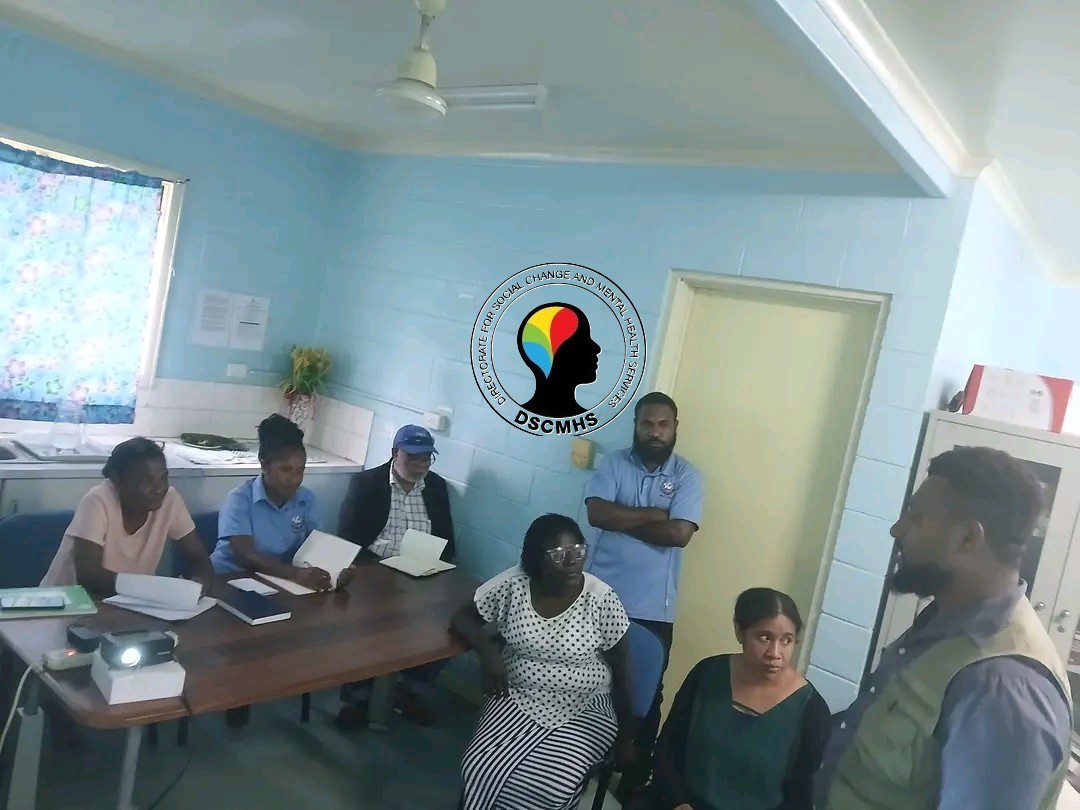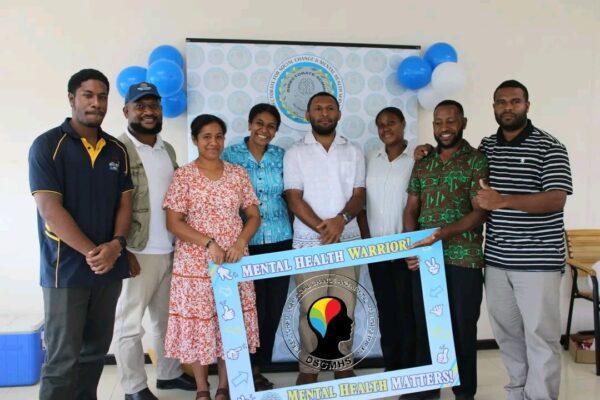
On 17th April 2025, a professional team from the Directorate visited the WeCare Foundation – a non‑profit organization dedicated to social support services – to conduct a targeted awareness session on Workplace Burnout. The session addressed the serious mental and physical health consequences of burnout, its negative impact on productivity, and the necessity of creating a conducive working environment. Participants gained practical strategies to recognize, prevent, and manage burnout. This report outlines the session’s content, outcomes, and recommendations for both the Foundation and the wider working community.
1. Background
Workplace burnout is no longer a personal issue – it is a systemic occupational health challenge. The World Health Organization (WHO) classifies burnout as an occupational phenomenon resulting from chronic workplace stress that has not been successfully managed. Symptoms include exhaustion, cynicism toward one’s job, and reduced professional efficacy.
In Papua New Guinea, increasing work demands across both formal and informal sectors have led to rising reports of employee disengagement, absenteeism, and stress‑related illnesses. The Directorate, recognizing that “There is no health without mental health,” has made workplace mental health a priority for 2025.
The WeCare Foundation, which employs social workers, caregivers, and administrative staff, requested a tailored awareness session after internal surveys indicated elevated stress levels among team members.
2. The Awareness Session: Structure & Content
The Directorate sent a three‑member team: a senior mental health officer, an occupational health nurse, and a community liaison. The 90‑minute session included:
Segment Duration Key Topics Covered
Introduction to Burnout 20 min Definition, difference between stress and burnout, WHO criteria
Health Consequences 25 min Mental health impacts (anxiety, depression), physical effects (fatigue, insomnia, cardiovascular strain)
Productivity & Workplace Costs 15 min How burnout reduces efficiency, increases errors, damages teamwork, and raises staff turnover
Creating a Conducive Environment 20 min Practical steps: workload management, supervisory support, work‑life balance, psychological safety
Q&A & Action Planning 10 min Participants shared current challenges and committed to one change each
Key message reinforced throughout:
“A working environment must be conducive for everyone so that it enhances productivity.”
3. Outcomes & Immediate Feedback
· Participant reach: 22 staff members of WeCare Foundation (including management, field workers, and administrative personnel).
· Pre‑session self‑assessment: 68% of participants reported feeling “often exhausted” by work demands.
· Post‑session commitment: 100% agreed that burnout is a serious health issue; 19 out of 22 identified at least one workplace change they would advocate for (e.g., regular team check‑ins, designated break spaces, rotating high‑stress tasks).
· Management follow‑up: The Foundation’s director requested a follow‑up visit to co‑develop a staff wellness policy
4. Key Takeaways for All Organizations
Based on this awareness outreach, the Directorate emphasizes three universal principles:
1. Burnout is preventable – not an inevitable cost of doing business.
2. Mental health support at work is not a luxury – it is a productivity tool.
3. A conducive environment includes:
· Clear job expectations
· Access to counseling or employee assistance programs
· Zero tolerance for bullying or excessive overtime
· Recognition and fair compensation
5. Recommendations
The Directorate recommends the following actions for WeCare Foundation and similar organizations in Papua New Guinea:
For Employers For Employees
Conduct anonymous burnout risk assessments every 6 months Learn to recognize early warning signs (fatigue, irritability, loss of motivation)
Train supervisors in mental health first aid Use peer support groups to share coping strategies
Ensure workloads align with staffing capacity Set boundaries – do not routinely skip breaks or annual leave
Provide access to free or subsidized mental health services Practice recovery activities outside work (exercise, rest, hobbies)
The Directorate is available to deliver similar awareness sessions to any business house, NGO, or government agency upon request.
6. Conclusion
The Directorate’s visit to the WeCare Foundation successfully raised awareness about workplace burnout as a health and productivity threat. More importantly, it provided actionable solutions to create a more conducive working environment. The Foundation’s willingness to engage signals a positive shift toward recognizing mental health as integral to organizational success.
Final message from the Directorate:
“No organization can thrive on burnt‑out workers. Invest in a healthy workplace – it pays back in wellbeing and performance.”