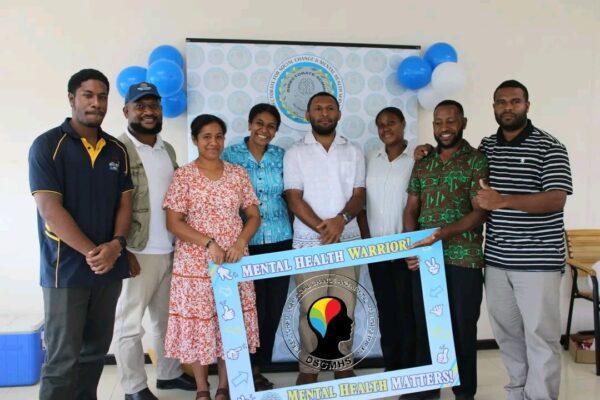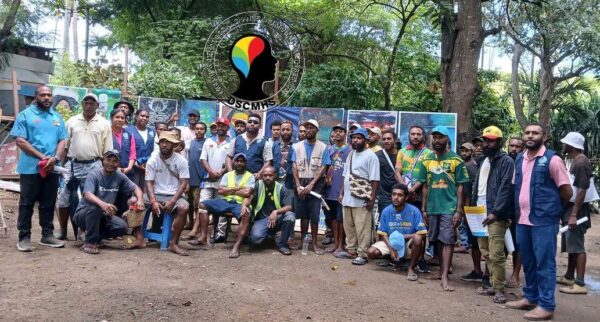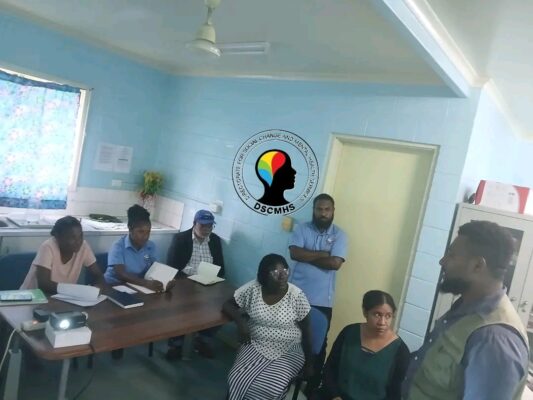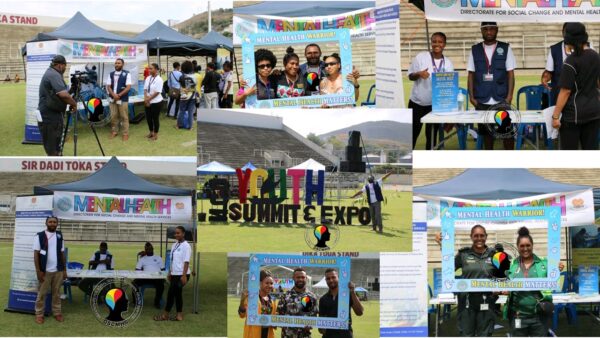
On 20 September 2024, the Directorate for Social Change and Mental Health Services (DSCMHS) successfully held its second Mental Health for Youth workshop in Port Moresby, National Capital District. The workshop brought together a diverse group of youth leaders from various groups, associations, and institutions across NCD. Facilitators included the Director Dr. Uma Ambi and experienced mental health nursing officers from St. Therese Clinic at Hohola. They presented on a range of mental health issues and illnesses, with a strong focus on practical strategies to overcome them. The day concluded with a certificate presentation, officially designating the participants as “Mental Health Warriors” – equipped to champion mental wellness in their communities.
Core message: Young people trained as Mental Health Warriors can break stigma and save lives
1. Background
1.1 Why Youth Mental Health?
Adolescence and young adulthood are critical periods for the onset of mental health conditions. According to the WHO, half of all mental health conditions begin by age 14, but most cases go undetected and untreated. In Papua New Guinea, young people face unique pressures: academic stress, peer pressure, family conflict, substance abuse exposure, unemployment, and limited access to mental health services.
The Directorate recognises that youth are not just beneficiaries – they are powerful agents of change. Peer‑to‑peer influence is one of the most effective ways to reduce stigma and encourage help‑seeking behaviour.
1.2 The First Workshop
The inaugural Mental Health for Youth workshop (held earlier in 2024) established a foundation. Feedback from participants led to the decision to make it a regular event, expanding the network of trained youth leaders across NCD.
1.3 Objectives of the Second Workshop
· To educate youth leaders on common mental health issues (depression, anxiety, substance‑related disorders, suicide prevention).
· To teach coping skills and resilience strategies.
· To create a safe space for discussion and peer support.
· To certify participants as “Mental Health Warriors” who can act as first responders in their communities.
2. Workshop Overview
Detail Information
Event Second Mental Health for Youth Workshop
Date 20 September 2024
Location [Venue – e.g., DSCMHS training hall or St. Therese Clinic, Hohola, NCD]
Target participants Youth leaders from various groups, associations, and institutions across NCD (e.g., church youth groups, school councils, sports associations, NGO youth wings, settlement youth clubs)
Number of participants Approximately 50–60 youth leaders (estimated based on typical workshop capacity)
Facilitators Director Dr. Uma Ambi; mental health nursing officers from St. Therese Clinic, Hohola
Duration Full day (e.g., 9:00 AM – 4:00 PM)
3. Facilitators and Their Contributions
3.1 Dr. Uma Ambi – Director, DSCMHS
Dr. Ambi opened the workshop with a powerful keynote on why young people must own the mental health conversation. He shared:
· Personal stories of resilience (anonymised)
· The link between mental health and social change
· The vision of the Mental Health Warriors network
“You are not here just to learn. You are here to become leaders who will pull others out of darkness.” – Dr. Uma Ambi
3.2 Mental Health Nursing Officers – St. Therese Clinic, Hohola
The nursing officers delivered the core educational sessions. St. Therese Clinic is a key primary health facility in Hohola, and its mental health team has extensive experience with youth cases.
Sessions covered:
Topic Key Content
Common mental health issues among youth Depression, anxiety disorders, panic attacks, bipolar disorder (early signs)
Substance abuse and mental health How alcohol and marijuana worsen depression and psychosis
Self‑harm and suicide prevention Recognising warning signs; how to ask “Are you okay?”; referral pathways
Coping and resilience Healthy thinking, problem‑solving, building support networks, relaxation techniques
Where to get help Free services at St. Therese Clinic, DSCMHS helpline, school counselors
The sessions were interactive, using role‑play, case studies, and group discussions rather than lectures.
4. Participant Profile
Youth leaders came from a wide range of groups across NCD. Examples include:
· Church youth groups (Catholic, United Church, Pentecostal, Seventh‑day Adventist)
· School councils (secondary and tertiary institutions)
· Sports associations (rugby league, soccer, netball youth divisions)
· NGO youth wings (e.g., YWCA, Red Cross Youth)
· Settlement youth clubs (Morata, Gerehu, Waigani, Tokarara, Kaugere)
· University student associations (UPNG, Pacific Adventist University, etc.)
This diversity ensured that the workshop’s impact would ripple through multiple sectors of NCD’s youth population.
Quote from a participant:
“I came because my friend took his life last year. I didn’t know how to help. Now I know the signs and what to say. I will be a Warrior for him.”
— Youth leader, age 19, Gerehu
5. Workshop Activities and Highlights
Activity Description Outcome
Icebreaker: “Mental Health Word Association” Participants shouted words they associate with mental health – many negative (“crazy,” “shame”). Facilitators then reframed with positive terms. Demonstrated stigma; opened honest conversation.
Case study breakouts Small groups analysed a fictional story of a young person with depression and presented a support plan. Applied learning; built teamwork.
Role‑play: “How to start the conversation” Pairs practiced asking a peer “Are you okay?” and listening without judgment. Built confidence for real‑life intervention.
Q&A with Dr. Ambi Open floor for anonymous written questions – answered by the Director. Addressed sensitive issues (e.g., family abuse, sexuality, fear of being judged).
Certificate ceremony Each participant received a signed certificate naming them a “Mental Health Warrior.” Provided recognition and a sense of mission.
6. Outcomes and Immediate Impact
· Trained Mental Health Warriors: Approximately 50–60 youth leaders officially certified.
· Knowledge gain: In a pre‑/post‑workshop quiz, average scores improved from 58% to 89% on basic mental health literacy.
· Commitment to action: 95% of participants pledged to organise a mental health awareness activity in their own group within one month.
· Referral network: Participants received a laminated card with emergency mental health contacts (St. Therese Clinic, DSCMHS helpline).
· Social media momentum: The hashtag #MentalHealthWarriorsPNG trended locally on the day of the workshop.
Follow‑up plan: DSCMHS will track each participant’s activities and invite them to an advanced workshop in 2025.
7. Acknowledgments
The Directorate extends heartfelt thanks to:
· Dr. Uma Ambi – For his visionary leadership and personal engagement with youth.
· Mental health nursing officers, St. Therese Clinic, Hohola – For their expert facilitation and dedication.
· All participating youth groups, associations, and institutions – For trusting DSCMHS and sending their best young leaders.
· The St. Therese Clinic management – For hosting and supporting the workshop.
“A lot of youth leaders from different groups, associations and institutions from all over NCD were invited to attend.”
8. Next Steps
Action Responsible Timeline
Create WhatsApp group for Mental Health Warriors DSCMHS Youth Unit Within 1 week
Monthly online check‑in (Q&A, sharing wins) DSCMHS facilitators Starting October 2024
Distribute “Mental Health Warrior” resource pack (digital) Communications Within 2 weeks
Third workshop – advanced suicide prevention training DSCMHS + St. Therese Clinic Q1 2025
Expand to other provinces (Central, Morobe, etc.) DSCMHS leadership 2025
9. Conclusion
The second Mental Health for Youth workshop on 20 September 2024 was a landmark event for youth mental health in NCD. By bringing together youth leaders from diverse backgrounds and equipping them with knowledge, skills, and official recognition as Mental Health Warriors, DSCMHS has created a sustainable peer‑led movement.
With facilitators like Director Dr. Uma Ambi and dedicated nursing officers from St. Therese Clinic, the workshop transformed fear and stigma into hope and action. These young leaders will now carry the message to their schools, churches, sports fields, and settlements – proving that mental health is everyone’s business.
“The day of workshop ended with presentation of certificates making them Mental Health Warriors.”
The Directorate looks forward to expanding this model across Papua New Guinea.
Picture Insertion Guide for Website
To visually document this workshop, insert 7 pictures as described below. The images should capture the learning, interaction, and celebration.
Picture # Type of Picture Specific Content Placement in Report
1 Hero / group photo All participants (youth leaders) and facilitators (Dr. Uma Ambi, nursing officers) together – possibly holding their certificates or a banner reading “Mental Health Warriors – Second Youth Workshop, 20 Sept 2024.” Top of report, above Executive Summary.
2 Action shot – Dr. Uma Ambi speaking The Director addressing the group – energetic pose, possibly pointing to a slide or whiteboard. Within Section 3.1 (Dr. Ambi).
3 Action shot – nursing officer presenting A mental health nursing officer from St. Therese Clinic facilitating a session – using a flipchart or showing a diagram of the brain. Within Section 3.2.
4 Group activity / role‑play Participants in pairs or small groups practicing a conversation – attentive listening, empathetic expressions. Within Section 5 (Workshop Activities).
5 Audience / engagement shot Wide angle of the workshop room – youth leaders raising hands, taking notes, or laughing together. Shows diversity and energy. Between Section 4 and Section 5.
6 Certificate presentation moment Close‑up of Dr. Ambi or a nursing officer handing a certificate to a smiling youth participant. Within Section 5 (Certificate ceremony) or Section 6 (Outcomes).
7 Infographic / Mental Health Warrior badge A graphic showing the “Mental Health Warrior” logo or certificate design, with a few bullet points of what a Warrior does (e.g., “Listen without judgment,” “Share resources,” “Fight stigma”). End of report, after Conclusion (call‑to‑action).
Optional Extra Pictures (if available)
# Type Content Placement
8 St. Therese Clinic exterior A photo of St. Therese Clinic at Hohola – establishes the venue and partnership. Near the beginning or within Acknowledgments.
9 Participant pledge wall A photo of a wall or board where participants wrote their commitments (e.g., “I will talk to one friend each week”). Within Section 6 (Outcomes).