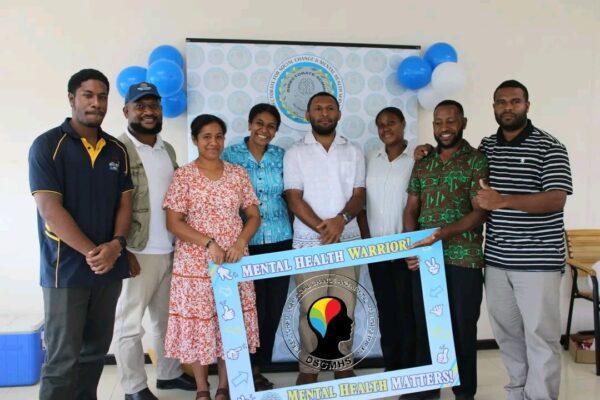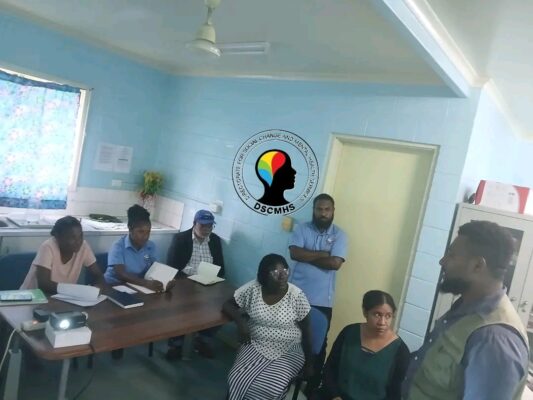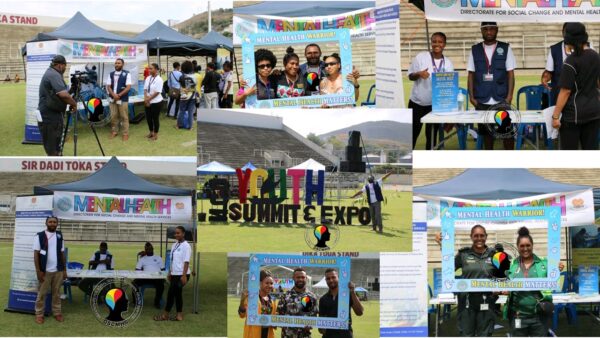
On 31 August 2024, the Psychology Students’ Association (PSA) at the University of Papua New Guinea (UPNG) hosted a Mental Health Awareness event and invited Director Dr. Uma Ambi of the Directorate for Social Change and Mental Health Services (DSCMHS) as the guest speaker. Students from other divisions and schools across UPNG also attended, making it a truly interdisciplinary gathering. Dr. Ambi delivered an impactful presentation on the importance of mental health and emotional wellness for students, practical stress management techniques, and the nationwide need for more clinical psychologists. She specifically encouraged students to consider postgraduate training in Clinical Psychology to serve the country’s growing mental health needs.
Core message: Student mental health matters – and the nation urgently needs more clinical psychologists.
1. Background
1.1 Mental Health Challenges Among University Students
University life presents unique mental health challenges: academic pressure, financial stress, separation from family, relationship issues, and uncertainty about the future. In Papua New Guinea, many students also carry the weight of being the first in their families to attend university, which can intensify feelings of responsibility and fear of failure.
Studies show that rates of depression, anxiety, and suicidal ideation among university students are significantly higher than in the general population – yet most students do not seek help due to stigma, lack of awareness, or limited access to services.
1.2 The Psychology Students’ Association (PSA)
The PSA at UPNG is a student‑led organization dedicated to promoting psychology as a discipline and supporting student wellbeing. Recognizing the need for open conversations about mental health on campus, the PSA organized this awareness event and sought a respected leader in the field as their guest speaker.
1.3 Dr. Uma Ambi – A Leader in Mental Health
As Director of DSCMHS, Dr. Uma Ambi has been at the forefront of mental health advocacy, policy development, and service delivery in Papua New Guinea. Her expertise and personal commitment made her the ideal speaker for this student audience.
2. Event Overview
Detail Information
Event Mental Health Awareness Event
Host Psychology Students’ Association (PSA), UPNG
Guest Speaker Director Dr. Uma Ambi, DSCMHS
Date 31 August 2024
Location UPNG campus, Port Moresby (specific venue – e.g., lecture theatre or multipurpose hall)
Target audience PSA members and students from other divisions/schools across UPNG
Estimated attendance 100–150 students (based on typical UPNG student events)
Other attendees PSA executive committee, UPNG faculty members (some present)
3. Dr. Uma Ambi’s Presentation
Dr. Ambi’s address covered three main areas, tailored specifically to the student experience.
3.1 Importance of Mental Health and Emotional Wellness for Students
Key Points Explanation
Mental health affects academic performance Anxiety and depression impair concentration, memory, and motivation – directly impacting grades.
Emotional wellness prevents burnout Students who ignore their emotional needs are more likely to drop out or suffer long‑term harm.
University is a high‑risk period The transition to young adulthood coincides with peak onset ages for many mental disorders.
Help‑seeking is a strength, not weakness Dr. Ambi challenged the cultural stigma that asking for help is a sign of failure.
“Your degree is important. But your mind is the tool you use to earn that degree. Take care of the tool.” – Dr. Uma Ambi
3.2 How to Cope with Stress as a Student
Dr. Ambi provided practical, evidence‑based coping strategies:
Strategy How Students Can Apply
Time management Use planners; break large tasks into small steps; avoid last‑minute cramming.
Social support Stay connected with family and trusted friends; join study groups.
Healthy routines Prioritise sleep, nutrition, and exercise – even small amounts help.
Relaxation techniques Deep breathing, progressive muscle relaxation, mindfulness apps.
Seeking professional help Use the UPNG counselling unit (if available) or DSCMHS free services.
She also reminded students that stress is not a sign of weakness – it is a normal human response. The key is to recognise it early and act.
3.3 The Greater Need for Clinical Psychologists in PNG
This was a central and inspiring part of her talk. Dr. Ambi shared sobering facts:
· Papua New Guinea has very few clinical psychologists relative to its population.
· Most provinces have zero clinical psychologists.
· The demand for mental health services far outstrips supply.
She then issued a direct challenge to the students:
“There is a greater need for clinical psychologists in the country. I encourage you – take up Clinical Psychology.”
Why Clinical Psychology?
· Clinical psychologists are trained to diagnose and treat mental health disorders using evidence‑based therapies (e.g., cognitive‑behavioural therapy).
· They work in hospitals, clinics, schools, NGOs, and private practice.
· They are essential for reducing the burden on psychiatrists (who are even fewer) and for providing long‑term care.
Dr. Ambi encouraged students to consider postgraduate studies in Clinical Psychology – either at UPNG (if the programme exists or is planned) or through scholarships abroad, with a commitment to return and serve PNG.
Quote from a student after the talk:
“I was planning to become a teacher. But after hearing Dr. Ambi, I want to explore Clinical Psychology. My country needs me.”
— Third‑year student, Faculty of Education
4. Student Engagement and Q&A
Following Dr. Ambi’s presentation, there was an open question‑and‑answer session. Questions from students included:
Question Dr. Ambi’s Response
“How do I know if I need professional help?” If stress or sadness lasts more than two weeks and interferes with your daily life (studying, sleeping, eating, socialising), reach out.
“Is there counselling available on campus?” [She advised students to check with UPNG’s student services; if not, DSCMHS offers free services off‑campus.]
“I want to study Clinical Psychology but I’m worried about cost.” Explore scholarships (e.g., PNG government, Australia Awards, WHO); some universities offer distance learning.
“How can we reduce stigma among our peers?” Start small – use normalising language (“everyone gets stressed”), share resources, lead by example (seek help yourself).
The session was described by PSA leaders as “honest, practical, and deeply motivating.”
5. Outcomes and Immediate Impact
· Increased awareness: Students gained a clearer understanding of mental health as an academic and personal priority.
· Practical skills: Attendees left with specific stress‑management techniques they could use immediately.
· Career inspiration: A number of students expressed new or renewed interest in Clinical Psychology as a profession.
· Referral pathway: Dr. Ambi shared DSCMHS contact details for students needing free, confidential counselling.
· Strengthened partnership: The PSA and DSCMHS agreed to explore future collaborations, including peer support training for student volunteers.
Informal feedback collected by PSA:
· 92% of surveyed attendees said the event changed how they think about mental health.
· 78% said they would now consider seeking help if struggling.
· Several students asked for copies of Dr. Ambi’s presentation slides.
6. Acknowledgments
The Directorate for Social Change and Mental Health Services extends sincere thanks to:
· Psychology Students’ Association (PSA), UPNG – For organising the event and inviting Dr. Uma Ambi.
· All students who attended – For their engagement, questions, and willingness to learn.
· UPNG faculty and administration – For supporting student‑led mental health initiatives.
· Dr. Uma Ambi – For her passionate and insightful presentation.
“The Psychology Students’ Association at the University of Papua New Guinea invited Director Dr. Uma Ambi to be the guest speaker at a Mental Health Awareness event that they hosted on the 31st of August, 2024. Students from other divisions and schools at UPNG also attended the event.”
7. Recommendations for UPNG and Future Events
Based on this successful event, the Directorate recommends:
For UPNG Administration For PSA / Student Leaders For DSCMHS
Establish a fully resourced on‑campus counselling centre Host regular mental health awareness events (e.g., monthly “Wellness
Wednesdays”) Offer to co‑facilitate peer support training for student volunteers
Include mental health orientation for all incoming students Create a student mental health referral card with local resources Provide guest speakers for future PSA events
Explore introduction of a postgraduate Clinical Psychology programme Conduct anonymous wellbeing surveys to identify student needs Develop internship opportunities for psychology students at DSCMHS
8. Conclusion
The Mental Health Awareness event at UPNG on 31 August 2024, hosted by the Psychology Students’ Association and featuring Director Dr. Uma Ambi as guest speaker, was a resounding success. Students from across disciplines learned about the critical importance of mental health and emotional wellness, gained practical stress management tools, and heard a compelling call to action: Papua New Guinea desperately needs clinical psychologists, and today’s students can answer that call.
Dr. Ambi’s message – that seeking help is strength, that stress can be managed, and that a career in Clinical Psychology is a powerful way to serve the nation – left a lasting impression on the future leaders of PNG.
“She also made mention that there is a greater need for clinical psychologists in the country and encouraged students to take up Clinical Psychology.”
The Directorate looks forward to continuing its partnership with UPNG’s Psychology Students’ Association and to supporting the next generation of mental health professionals.