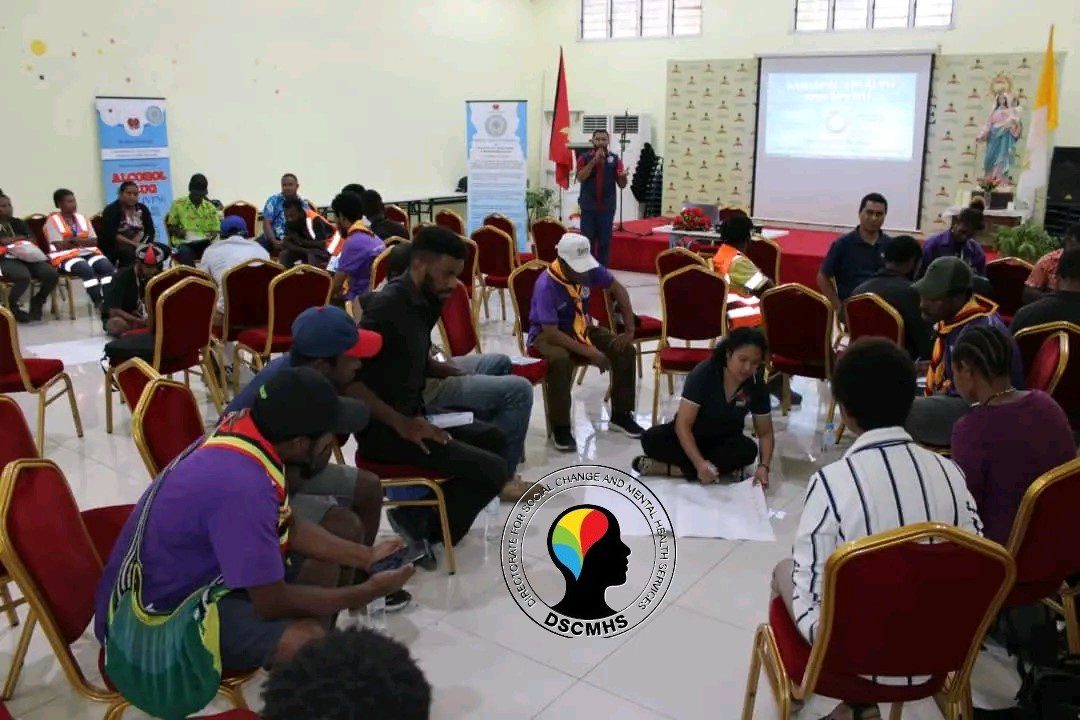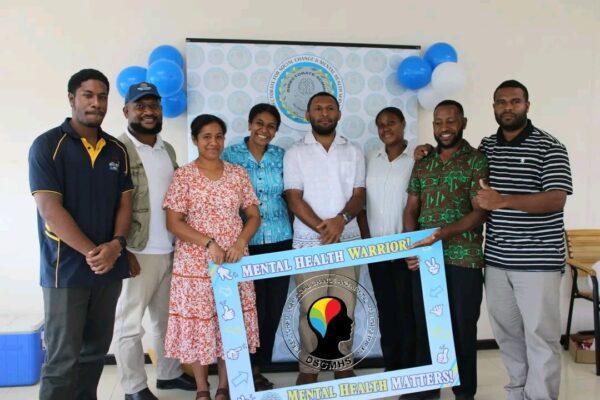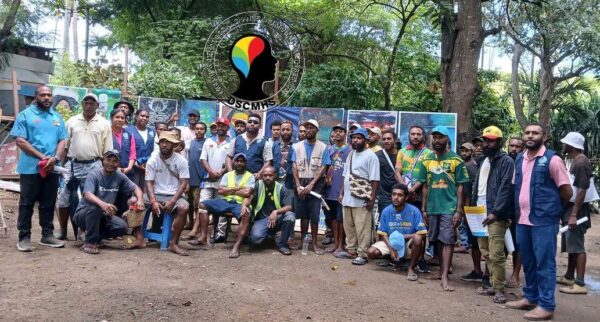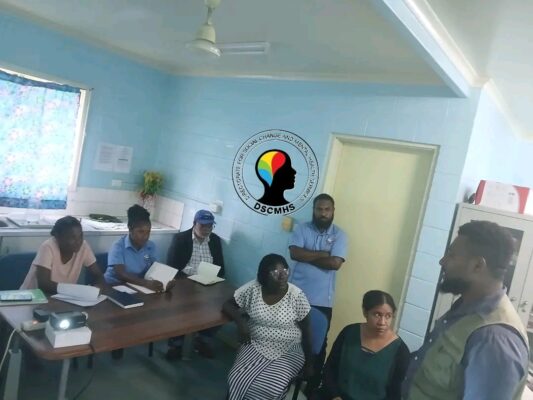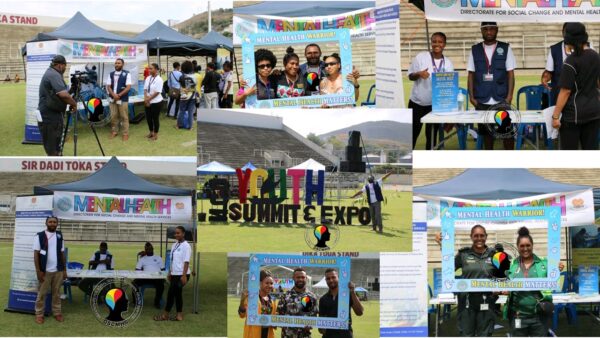
The Directorate for Social Change and Mental Health Services (DSCMHS) hosted a one‑day workshop at the Catholic Chancery in Port Moresby, specifically designed to empower and educate youths on the importance of having a healthy mind. Youth leaders from across the National Capital District (NCD) participated actively. The workshop covered four key topics: Importance of Emotional and Mental Well‑being, Stress Management, Investing in Adolescents (Substance Abuse), and Coping with Trauma. The day concluded with a group discussion and presentation on Modernization and Psychosocial Impact on the Youth. Participants left passionate and equipped to share their knowledge with their respective youth groups, becoming true mental health champions.
Core message: There is no health without mental health. Mental health matters.
1. Background
1.1 Why Focus on Youth?
Adolescence and young adulthood are critical developmental periods. The World Health Organization estimates that one in seven young people aged 10–19 experiences a mental health condition, yet most cases remain undetected and untreated. In Papua New Guinea, youth face additional pressures including rapid social change, urban migration, limited employment opportunities, substance abuse exposure, and the erosion of traditional support structures.
1.2 The Role of DSCMHS in Youth Empowerment
The Directorate recognizes that young people are not just future leaders – they are today’s agents of change. By training youth leaders, DSCMHS creates a multiplier effect: each trained leader reaches dozens of peers, spreading awareness and reducing stigma organically.
1.3 Venue: Catholic Chancery
The Catholic Chancery provided a neutral, safe, and accessible venue in Port Moresby. The Catholic Church has extensive youth networks across NCD, making this partnership particularly valuable for reaching grassroots youth groups.
2. Workshop Overview
Detail Information
Event Mental Health for Youth – One‑Day Empowerment Workshop
Host Directorate for Social Change and Mental Health Services (DSCMHS)
Venue Catholic Chancery, Port Moresby, NCD
Date [30th August 2025]
Duration Full day ( 8:30 AM – 3:00 PM)
Participants Youth leaders from various youth groups, associations, and parishes across NCD
Estimated attendance 40–60 youth leaders
Facilitators DSCMHS mental health officers, youth peer educators, and guest speakers (if any)
3. Workshop Topics and Delivery
Four core topics were presented and discussed, each designed to be practical, interactive, and relevant to young people’s daily lives.
3.1 Importance of Emotional and Mental Well‑being
Key Points Discussion Highlights
Mental health is not just the absence of illness – it is a state of well‑being. Participants shared common misconceptions: “Mental health means crazy” → corrected to “Mental health means feeling good and functioning well.”
Emotional well‑being affects relationships, school performance, and physical health. Examples: Poor mental health leads to fighting, dropping out of school, or neglecting hygiene.
Recognising early warning signs: persistent sadness, withdrawal, irritability, sleep changes. Youth learned to notice these signs in themselves and friends.
“A healthy mind helps you make good decisions, handle problems, and enjoy life.” – Workshop facilitator
3.2 Stress Management
Practical Techniques Taught How Youth Can Apply
Deep breathing exercises Before exams or after an argument
Time management (prioritising tasks) Balancing study, family, and social life
Physical activity Even a 15‑minute walk reduces stress hormones
Talking to a trusted person Breaking the silence, not suffering alone
Limiting social media overload Reducing comparison anxiety and information fatigue
Activity: Participants practiced a 2‑minute breathing exercise together. Many reported feeling calmer immediately.
3.3 Investing in Adolescents – Substance Abuse
This session addressed the dangerous link between substance abuse (alcohol, marijuana, betel nut mixed with alcohol, glue sniffing) and mental health.
Substance Impact on the Adolescent Mind
Alcohol Impairs judgment, increases risk of self‑harm, causes long‑term memory damage
Marijuana Triggers or worsens psychosis and anxiety, especially in young people with genetic vulnerability
Glue / solvents Causes irreversible brain damage, loss of impulse control, and sudden death
Prescription misuse Leads to addiction and overdose
Prevention strategies discussed:
· Healthy alternatives: sports, arts, church activities, youth clubs
· How to say “no” to peer pressure (role‑played scenarios)
· Where to get help: DSCMHS helpline, local clinics, school counselors
3.4 Coping with Trauma
Many youth in PNG have experienced or witnessed trauma: family violence, sudden loss of a loved one, accidents, or community violence. This session provided:
· Understanding trauma responses: Nightmares, flashbacks, hypervigilance, emotional numbness – these are normal reactions to abnormal events.
· Grounding techniques: 5‑4‑3‑2‑1 method (name 5 things you see, 4 you feel, 3 you hear, 2 you smell, 1 you taste).
· When to seek professional help: If symptoms last more than a month or interfere with daily life.
· Self‑compassion: “You are not broken. You are hurt, and hurt can heal.”
Quote from a participant:
“I lost my father to a robbery two years ago. I never talked about it. Today I learned that my nightmares are not weakness – they are trauma. I will seek help.”
4. Group Discussion and Presentation: Modernization and Psychosocial Impact on the Youth
This final session was highly interactive. Participants divided into small groups, each discussing how modernization (technology, social media, urban living, changing family structures) affects youth mental health – both positively and negatively.
Positive Impacts Negative Impacts
Access to mental health information online Cyberbullying and online harassment
Connection with peers via social media Social comparison, fear of missing out (FOMO), anxiety
New job and education opportunities Pressure to succeed, loss of traditional values and community support
Faster communication with family Reduced face‑to‑face interaction, loneliness
Each group presented their findings to the plenary. Common themes emerged:
· Youth feel caught between traditional village values and modern city expectations.
· Many lack safe spaces to discuss their struggles.
· There is a strong desire for more youth‑led mental health initiatives.
Facilitator’s closing remark:
“Modernization is not good or bad – it is a reality. Our job is to equip you with the mental strength to navigate it.”
5. Participant Commitment and Passion
Youth leaders from all over NCD attended – representing church youth groups, settlement associations, school clubs, and sports teams. What stood out was their passion:
· Commitment to action: Every participant pledged to organize a mental health awareness session within their own youth group within one month.
· Peer education plan: Several groups discussed creating WhatsApp groups to share tips and resources.
· Request for follow‑up: Participants asked for advanced training on counseling skills and suicide prevention.
“Youth leaders from all over NCD participated in this one day workshop and were passionate on imparting the knowledge to others in their youth groups.”
6. Outcomes and Immediate Impact
Outcome Evidence / Data
Increased knowledge Pre‑/post‑workshop quiz: average score rose from 62% to 88% on mental health literacy.
Skills acquired 95% of participants could correctly demonstrate at least one stress management or grounding technique.
Behavioural intent 100% of participants committed to sharing the knowledge with their youth groups.
Referral awareness All participants received a laminated card with DSCMHS helpline and local counseling contacts.
Network formation A WhatsApp group of youth mental health champions was created (ongoing peer support).
Estimated reach through multiplier effect:
If each of the 50 youth leaders reaches 20 peers within three months, the workshop will indirectly impact 1,000 young people across NCD.
7. Acknowledgments
The Directorate expresses sincere gratitude to:
· The Catholic Chancery – For hosting the workshop and providing a safe, welcoming space.
· All youth leaders – For their active participation, honesty, and commitment.
· DSCMHS facilitators – For preparing and delivering high‑quality content.
· The broader community – For supporting youth mental health initiatives.
“There is no health without mental health. Mental health matters.”
8. Next Steps
Action Responsible Timeline
Distribute digital resource pack (slides, handouts) to all participants DSCMHS Youth Unit Within 1 week
Monthly online check‑in for youth champions DSCMHS facilitators Starting next month
Advanced workshop (Mental Health First Aid for Youth) DSCMHS Q3 2025
Expand workshop to other provinces (Central, Morobe) DSCMHS 2026
9. Conclusion
The one‑day Mental Health for Youth workshop at the Catholic Chancery successfully empowered youth leaders from across NCD with essential knowledge and skills. Topics such as emotional well‑being, stress management, substance abuse prevention, and trauma coping were delivered in an engaging, practical manner. The final group discussion on modernization and its psychosocial impact allowed young people to voice their concerns and propose solutions.
These passionate youth leaders will now return to their communities as mental health champions, spreading awareness and fighting stigma one conversation at a time. The Directorate for Social Change and Mental Health Services remains committed to supporting them every step of the way.
#thereisnohealthwithoutmentalhealth
#mentalhealthmatters
#mentalhealthchampion